
The Great Tteokbokki vs. Glass Skin Debate
Walk through Myeongdong on any evening, and you'll see the same contradiction everywhere: Korean women with enviably perfect glass skin queuing up for steaming bowls of tteokbokki. If spicy food really ruins your complexion like beauty myths suggest, how do Koreans maintain their legendary flawless skin while consuming some of the world's spiciest cuisine?
This age-old beauty myth has sparked heated debates in K-beauty communities worldwide. Some swear that cutting out tteokbokki transformed their skin, while others claim Korean spicy food is the secret to their glow.
Let's dive deep into the science, separate fact from fiction, and discover what Korean dermatologists really say about your favorite spicy rice cakes and skin health.
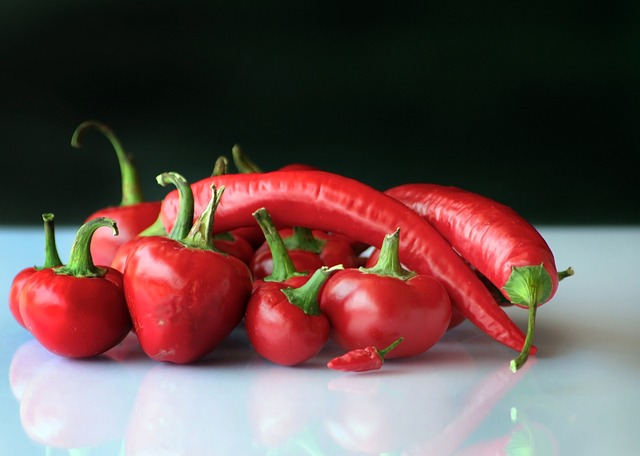
Understanding the Spicy Food and Acne Connection
The belief that spicy food causes breakouts isn't unique to Korean cuisine. This myth has persisted across cultures for decades, but recent dermatological research tells a different story than your grandmother's beauty advice.
Dr. studies from Seoul National University's dermatology department show that capsaicin—the compound that makes tteokbokki fiery—doesn't directly cause acne. Instead, the relationship between spicy food and skin issues is far more complex and individualized.
What Actually Happens When You Eat Tteokbokki
When you bite into those chewy rice cakes covered in gochujang, several things occur in your body. Your core temperature rises slightly, blood circulation increases, and you might start sweating—especially around your face and scalp.
This temporary increase in facial sweating can mix with existing oils and bacteria on your skin. For some people, this combination might contribute to clogged pores, but it's not the spice itself causing breakouts.
- Increased circulation can actually benefit skin health
- Temporary sweating helps eliminate toxins
- Capsaicin has anti-inflammatory properties
- Individual reactions vary significantly
The Korean Paradox: Spicy Food Nation with Perfect Skin
Korea consumes more spicy food per capita than almost any other country, yet Korean women consistently rank among those with the healthiest, most enviable skin worldwide. This paradox suggests that spicy food alone isn't the villain in your skincare story.
The secret lies in understanding Korean skincare philosophy and practices. Most Korean women follow elaborate skincare routines that counterbalance any potential negative effects from their spicy food consumption.
Korean Skincare Habits That Counter Spicy Food Effects
Korean beauty culture emphasizes thorough cleansing, especially after meals. The famous double cleansing method removes excess oils and impurities that might accumulate during spicy food consumption.
Additionally, Korean skincare routines typically include multiple hydrating and soothing steps. Ingredients like centella asiatica, green tea, and hyaluronic acid help calm any inflammation and maintain skin balance.
- Double cleansing removes post-meal impurities
- Hydrating toners restore skin balance
- Anti-inflammatory ingredients soothe irritation
- Consistent routine prevents buildup
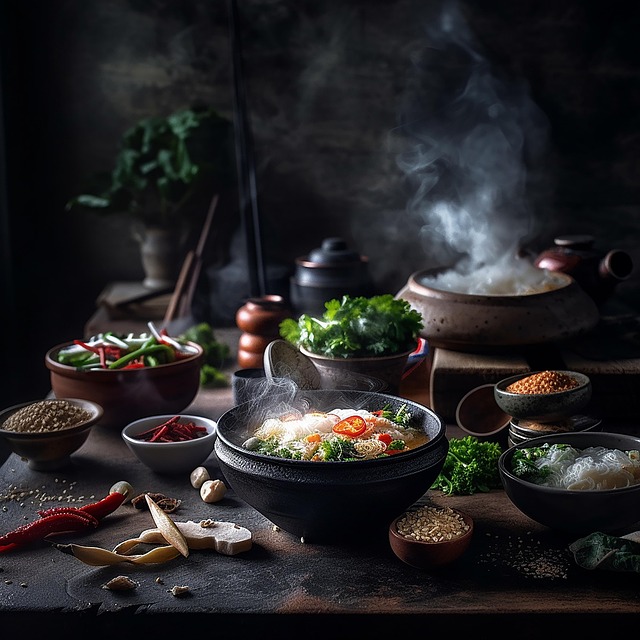
Individual Skin Sensitivity: The Real Culprit
The truth about tteokbokki and skin health isn't black and white. Some people genuinely experience breakouts after consuming spicy Korean food, while others see no change or even improvement in their complexion.
Your individual reaction depends on several factors including your skin type, existing sensitivities, overall diet, and skincare routine. Understanding your personal triggers is more important than following blanket food restrictions.
Signs You Might Be Sensitive to Spicy Food
If you consistently notice breakouts within 24-48 hours after eating tteokbokki or other spicy Korean dishes, you might have a sensitivity. However, consider other factors like stress, hormones, or new skincare products before blaming the rice cakes.
Keep a food and skin diary for at least 4 weeks to identify patterns. Note not just what you eat, but when you eat it, your stress levels, sleep quality, and any new products you're using.
The Hidden Ingredients That Might Be the Real Problem
Sometimes it's not the spice causing skin issues, but other ingredients commonly found in tteokbokki. High sodium content can cause facial bloating and water retention, making skin appear puffy and less radiant.
Refined carbohydrates in rice cakes can cause blood sugar spikes, which some studies link to increased sebum production and inflammation. The processed nature of many tteokbokki ingredients might be more problematic than the heat level.
- High sodium causes water retention and puffiness
- Refined carbs may increase sebum production
- Artificial preservatives can trigger sensitivities
- Poor oil quality in street food affects skin health
Korean Dermatologist-Approved Tips for Spicy Food Lovers
Leading Korean dermatologists don't typically recommend completely avoiding spicy food for clear skin. Instead, they focus on moderation and proper skincare practices to maintain healthy skin while enjoying your favorite dishes.
The key is building a skincare routine that supports your lifestyle rather than restricting your cultural food preferences. Many Korean dermatology clinics now offer customized skincare plans that account for dietary habits.
Pre-Tteokbokki Skincare Preparation
Before heading out for your spicy food adventure, apply a lightweight, non-comedogenic moisturizer to create a protective barrier. This helps prevent excess oil and sweat from clogging pores during your meal.
Some Korean beauty enthusiasts swear by applying a thin layer of niacinamide serum before eating spicy food, as it helps regulate oil production and minimize pore appearance.
Post-Meal Skincare Routine
Within 2-3 hours of eating tteokbokki, gently cleanse your face with a mild cleanser to remove any surface oils or residue. Avoid harsh scrubbing, as your skin might be slightly more sensitive after consuming spicy food.
Follow up with a soothing toner containing ingredients like rose water or chamomile to calm any potential irritation and restore your skin's natural pH balance.

Medical Tourism and Skincare Solutions in Korea
If you're considering professional skincare treatments to address persistent skin issues, Korea offers world-class dermatology services at competitive prices. Many international visitors combine Korean skincare treatments with their cultural food exploration.
Korean dermatology clinics typically offer comprehensive skin analysis and personalized treatment plans. Prices for professional skincare consultations range from $50-$150, while advanced treatments like laser therapy range from $200-$800 per session.
Popular Skincare Treatments for Spicy Food Lovers
Korean clinics often recommend specific treatments for patients who regularly consume spicy food. Hydrafacial treatments ($100-$250) help deep clean pores and remove impurities, while LED light therapy ($80-$200) reduces inflammation and promotes healing.
For more severe concerns, chemical peels ($150-$400) can help reset your skin and improve texture, while micro-needling with PRP ($300-$600) promotes collagen production and skin renewal.
- Comprehensive skin analysis and consultation
- Customized treatment plans
- Advanced technology and techniques
- Competitive international pricing
- English-speaking medical staff
Building a Spicy Food-Friendly Skincare Routine
Creating a skincare routine that works with your love for tteokbokki requires understanding your skin's needs and choosing products that support your lifestyle rather than fight against it.
Focus on products that strengthen your skin barrier, control oil production, and provide anti-inflammatory benefits. This approach allows you to enjoy Korean spicy food while maintaining healthy, clear skin.
Morning Routine for Spicy Food Enthusiasts
Start with a gentle cleanser to remove overnight impurities, followed by a vitamin C serum for antioxidant protection. Use a lightweight, broad-spectrum sunscreen as spicy food can temporarily make your skin more photosensitive.
Include a niacinamide-containing moisturizer to help regulate oil production throughout the day, especially important if you plan to eat spicy food later.
Evening Routine After Spicy Meals
Double cleanse with an oil cleanser followed by a water-based cleanser to thoroughly remove the day's accumulation of oils and impurities. Apply a gentle BHA toner 2-3 times per week to prevent pore congestion.
Finish with a hydrating serum and a slightly heavier moisturizer to repair and strengthen your skin overnight. Consider using a weekly clay mask to deep clean pores and prevent buildup.
Frequently Asked Questions
Should I completely avoid tteokbokki if I have acne-prone skin?
Complete avoidance isn't necessary for most people with acne-prone skin. Instead, focus on moderation and maintaining a consistent skincare routine. If you notice a clear pattern between eating tteokbokki and breakouts after tracking for several weeks, consider reducing frequency rather than elimination. Many Korean dermatologists recommend enjoying spicy food in moderation while prioritizing proper cleansing and skincare practices.
How long after eating spicy food might I see skin reactions?
Skin reactions to spicy food typically appear within 12-48 hours if you're sensitive. Immediate reactions like facial flushing or slight swelling usually subside within 2-4 hours. Acne breakouts related to spicy food consumption generally appear 24-72 hours later, as this matches the typical timeline for pore congestion to develop into visible blemishes. Keep a detailed food and skin diary to identify your personal reaction timeline.
What Korean skincare ingredients help counteract spicy food effects?
Key Korean skincare ingredients that help manage potential spicy food effects include centella asiatica for anti-inflammatory benefits, niacinamide for oil control and pore refinement, and hyaluronic acid for hydration without heaviness. Green tea extract provides antioxidant protection, while snail secretion filtrate helps with healing and skin barrier repair. BHA ingredients like salicylic acid can help prevent pore congestion when used 2-3 times weekly.
For personalized clinic recommendations, try KBBG's AI search tool
K-POP QUIZ
✨ Which K-Pop Idol Are You?
10 questions · 20 idols · BTS, BLACKPINK, IVE & more
Find Your Idol Match →