
The Korean Beauty Food Revolution
Korean beauty culture has long emphasized that true radiance comes from within. While K-beauty skincare gets global attention, Korean beauty foods and supplements remain the industry's best-kept secrets.
From marine collagen sourced from Jeju Island waters to centuries-old ginseng preparations, Korean beauty foods combine traditional wisdom with cutting-edge science. These aren't just trends—they're backed by research and used by Korean dermatologists as part of comprehensive beauty protocols.

Korean Collagen: The Gold Standard for Beauty
Why Korean Marine Collagen Leads the Market
Korean marine collagen differs significantly from Western alternatives. Sourced primarily from deep-sea fish around Korea's pristine coastlines, it offers superior bioavailability compared to bovine collagen.
Korean collagen products typically contain Type I collagen peptides with molecular weights under 1,000 Daltons. This smaller size allows for better absorption through the intestinal wall, leading to more effective results.
Popular Korean Collagen Forms and Pricing
- Powder supplements: $25-$45 per month supply
- Liquid collagen drinks: $35-$65 per month
- Collagen jelly sticks: $20-$40 per month
- Collagen tablets: $15-$35 per month
Premium brands often include additional ingredients like hyaluronic acid, vitamin C, and ceramides to enhance collagen synthesis and skin hydration.
Clinical Evidence from Korean Studies
A 12-week study conducted by Seoul National University showed that participants taking 2.5g of Korean marine collagen daily experienced a 20% improvement in skin elasticity and 13% reduction in wrinkle depth.
Another study from Yonsei University demonstrated that Korean collagen supplementation increased skin hydration by 28% within 8 weeks, outperforming placebo groups significantly.
Korean Ginseng: The Ultimate Beauty Adaptogen
Understanding Korean Red Ginseng for Beauty
Korean red ginseng (Panax ginseng) undergoes a unique steaming and drying process that concentrates its active compounds called ginsenosides. This processing method, perfected over centuries, creates more potent beauty benefits than raw ginseng.
The beauty benefits stem from ginseng's ability to improve circulation, reduce inflammation, and protect against oxidative stress—all crucial factors for healthy, glowing skin.
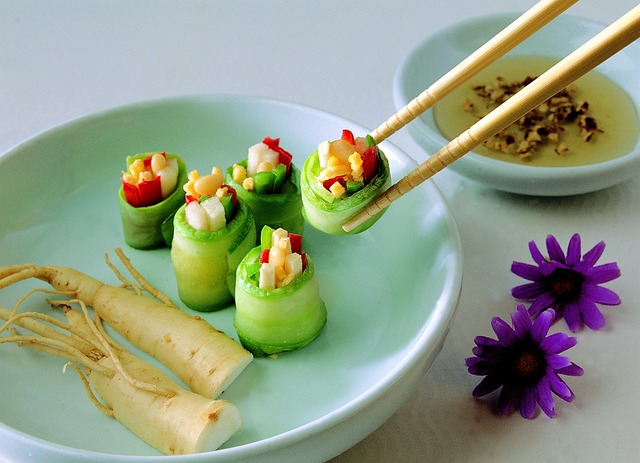
Ginseng Beauty Applications and Dosages
Korean beauty experts recommend different ginseng preparations based on individual needs:
- Red ginseng extract: 1-3g daily for overall skin health ($30-$80/month)
- Ginseng beauty drinks: Ready-to-consume options ($40-$90/month)
- Fermented ginseng: Enhanced absorption formula ($50-$120/month)
- Ginseng + collagen combinations: Synergistic beauty blends ($45-$100/month)
Scientific Research on Ginseng for Skin
Recent Korean research published in the Journal of Ginseng Research showed that 6 weeks of red ginseng supplementation improved skin texture by 24% and reduced age spots by 18% in women aged 35-55.
The study also found that ginseng's anti-inflammatory properties helped reduce acne-related inflammation by 31%, making it beneficial for both anti-aging and acne-prone skin concerns.
Essential Korean Beauty Foods Beyond Supplements
Fermented Foods for Gut Health and Skin
Korean fermented foods like kimchi, kombucha, and fermented soybean paste provide probiotics that directly impact skin health through the gut-skin axis.
Studies show that consuming Korean fermented foods regularly can reduce skin inflammation, improve barrier function, and enhance natural collagen production by supporting beneficial gut bacteria.
Seaweed and Marine Vegetables
Korean cuisine features numerous seaweed varieties rich in iodine, vitamins, and minerals essential for healthy skin:
- Miyeok (sea mustard): High in calcium and folate
- Dashima (kelp): Rich in iodine and antioxidants
- Kim (laver): Contains vitamin B12 and protein
- Agar: Natural source of fiber and minerals
Traditional Beauty Teas and Broths
Korean beauty culture includes specific teas and broths designed to enhance skin health from within. Job's tears tea (율무차) is particularly popular for its skin-brightening properties.
Bone broth prepared Korean-style with ginseng and other herbs provides natural collagen along with amino acids necessary for skin repair and regeneration.
How to Incorporate Korean Beauty Foods into Your Routine
Morning Beauty Protocol
Start your day with a collagen drink or powder mixed into lukewarm water on an empty stomach. This timing maximizes absorption before other foods interfere with uptake.
Follow with green tea or job's tears tea instead of coffee to provide antioxidants without the dehydrating effects of excessive caffeine.
Afternoon and Evening Strategies
Include fermented foods with lunch to support gut health throughout the day. Korean kimchi or fermented vegetables provide probiotics and enzymes that aid digestion and skin health.
Take ginseng supplements in the afternoon rather than evening, as ginseng can be energizing and may interfere with sleep quality if taken too late.
Weekly Beauty Food Planning
- Monday/Wednesday/Friday: Focus on marine collagen and seaweed dishes
- Tuesday/Thursday: Emphasize ginseng and fermented foods
- Weekend: Prepare traditional Korean beauty soups and broths

Understanding Quality and Authenticity
Identifying Authentic Korean Beauty Products
Look for Korean FDA (KFDA) certification and manufacturing details on product labels. Authentic Korean collagen should specify the source (marine vs. bovine) and molecular weight.
For ginseng products, check for ginsenoside content percentages and country of origin. Korean red ginseng should be processed in Korea using traditional steaming methods.
Price vs. Quality Considerations
While premium Korean beauty supplements cost more, the quality difference is often significant. Budget options ($15-$30/month) may work for maintenance, but therapeutic results typically require mid-to-high range products ($40-$100/month).
Consider starting with combination products that include both collagen and ginseng to test effectiveness before investing in separate supplements.
Safety and Considerations
Potential Side Effects and Interactions
Korean collagen is generally safe, but some people may experience digestive upset when starting supplementation. Begin with smaller doses and gradually increase to recommended amounts.
Ginseng can interact with blood thinners and diabetes medications. Consult healthcare providers before starting ginseng supplements, especially if you have existing medical conditions.
Pregnancy and Special Populations
Pregnant and nursing women should avoid ginseng supplements but can safely consume marine collagen. Always verify with healthcare providers before starting any new supplement regimen.
People with seafood allergies should choose bovine collagen alternatives or plant-based collagen builders instead of marine-sourced products.
Frequently Asked Questions
How long does it take to see results from Korean beauty foods?
Most people notice initial improvements in skin hydration and texture within 4-6 weeks of consistent use. More significant changes like reduced fine lines and improved elasticity typically become apparent after 8-12 weeks. The key is consistency—sporadic use won't produce the dramatic results Korean beauty foods are known for.
Can I combine multiple Korean beauty supplements safely?
Yes, Korean collagen and ginseng can be safely combined and often work synergistically. However, avoid exceeding recommended dosages when using combination products. Start with one supplement at a time to identify which products work best for your skin, then gradually add others. Always read labels carefully to avoid doubling up on ingredients.
Are Korean beauty foods worth the higher cost compared to Western alternatives?
Korean beauty foods often justify their higher price through superior processing methods, higher bioavailability, and additional beneficial ingredients. The traditional preparation methods for items like red ginseng and the pristine sourcing of marine collagen typically result in more potent products. However, budget-friendly options can still provide benefits—the key is choosing reputable brands with third-party testing.
For personalized clinic recommendations, try KBBG's AI search tool.
K-POP QUIZ
✨ Which K-Pop Idol Are You?
10 questions · 20 idols · BTS, BLACKPINK, IVE & more
Find Your Idol Match →