
The Reality of Korean Nose Surgery Safety
Korea has become the global epicenter for rhinoplasty, attracting thousands of international patients annually seeking the coveted "Korean nose" look. With over 90,000 foreign patients visiting Korean plastic surgery clinics in 2023, the question of safety has never been more critical.
The short answer is yes — nose surgery in Korea can be very safe for foreigners, but only when you navigate the system correctly. The key lies in understanding both the exceptional standards of top-tier Korean clinics and the potential pitfalls that can catch unprepared international patients.
Korean Medical Standards vs. Global Benchmarks
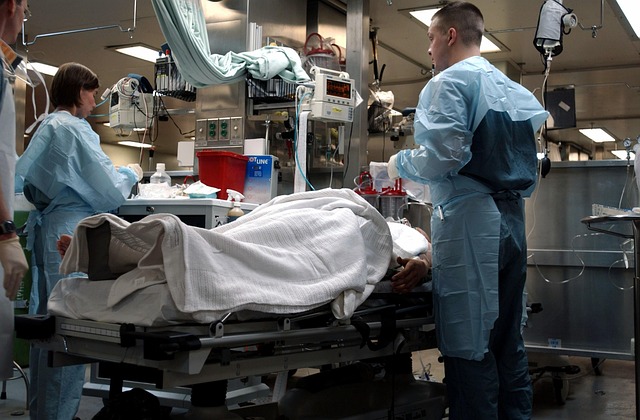
Korea's medical system ranks among the world's most advanced, with plastic surgery being a particular area of excellence. Korean surgeons perform 5x more rhinoplasty procedures annually compared to their Western counterparts, creating an unparalleled level of expertise.
The Korean Ministry of Health maintains strict licensing requirements for plastic surgeons. All qualified surgeons must complete a 4-year plastic surgery residency followed by board certification — standards that match or exceed those in the US and Europe.
Regulatory Framework
Korean medical facilities undergo rigorous government inspections every 2-3 years. Clinics must maintain detailed patient records, follow strict sterilization protocols, and employ only board-certified medical staff.
Additionally, Korea's National Health Insurance system, while not covering cosmetic procedures, ensures that emergency medical care is readily available if complications arise.
Technology and Innovation
Korean clinics invest heavily in cutting-edge technology. Most facilities feature:
- 3D imaging systems for surgical planning
- Advanced anesthesia monitoring equipment
- State-of-the-art operating theaters with HEPA filtration
- Digital consultation platforms for international patients
Unique Challenges for Foreign Patients
While Korean medical standards are excellent, international patients face specific challenges that don't affect local patients. Understanding these is crucial for making an informed decision.
Communication Barriers
Language differences represent the most significant safety concern. Medical terminology requires precision — a misunderstanding about surgical goals or post-operative care instructions can lead to complications.
Many clinics employ medical interpreters, but the quality varies dramatically. Some facilities use general translators rather than medical specialists, potentially creating dangerous miscommunications.
Limited Pre-Surgery Consultation Time
Korean medical tourism often operates on compressed timelines. While local patients might have multiple consultations over weeks or months, foreigners frequently make decisions within 24-48 hours of arrival.
This rushed timeline increases the risk of unrealistic expectations or inadequate medical screening. Some underlying conditions that could complicate surgery might not be properly identified.
Cost Considerations and Safety Correlation
Korean nose surgery costs vary significantly, ranging from $2,000-$8,000 depending on complexity and clinic reputation. Understanding this pricing structure is essential for making safe choices.

Budget vs. Premium Options
Budget clinics ($2,000-$3,500): Often located in Gangnam's side streets, these facilities may cut costs through reduced consultation time, less experienced surgeons, or minimal post-operative care.
Mid-range facilities ($3,500-$5,500): Typically offer good surgical outcomes with adequate safety protocols. Most foreign patients find these clinics provide the best value-to-safety ratio.
Premium clinics ($5,500-$8,000+): Feature renowned surgeons, luxury facilities, and comprehensive aftercare. Safety protocols often exceed international standards.
Hidden Costs and Safety
Cheaper options may not include essential safety elements:
- Pre-operative medical screening
- 24-hour post-surgery monitoring
- Emergency revision surgery
- Professional medical translation services
Pre-Surgery Safety Checklist
Taking specific precautions can dramatically improve your safety outcomes when getting nose surgery in Korea.
Surgeon Verification
Always verify your surgeon's credentials through the Korean Medical Association database. Look for board certification in plastic surgery specifically — general surgery certification isn't sufficient for rhinoplasty.
Research the surgeon's experience with international patients and their specific expertise in the type of nose surgery you're seeking.
Medical History Documentation
Prepare comprehensive medical records in both English and Korean. Include:
- Previous surgeries and anesthesia reactions
- Current medications and supplements
- Allergies and chronic conditions
- Recent blood work and diagnostic tests
Travel Insurance Considerations
Standard travel insurance typically excludes cosmetic surgery complications. Consider purchasing specialized medical tourism insurance that covers potential revision surgeries or extended stays due to complications.
During Surgery: What to Expect
Understanding the surgical process helps identify potential red flags and ensures you receive appropriate care.
Anesthesia Safety
Korean clinics primarily use general anesthesia or IV sedation for rhinoplasty. Board-certified anesthesiologists should monitor you throughout the procedure — this is non-negotiable for safety.
Pre-operative fasting requirements are strict: no food for 8 hours and no liquids for 2 hours before surgery. Violating these guidelines significantly increases complication risks.
Surgical Duration and Complexity
Primary rhinoplasty typically takes 2-4 hours. Be suspicious if your surgeon claims they can complete complex work in under 90 minutes — this often indicates corners being cut.
Korean surgeons excel at creating natural-looking results, but complex cases involving significant structural changes require adequate time for proper execution.
Post-Operative Care and Recovery
The recovery phase is where many complications arise, particularly for international patients who may not have adequate support systems.
Immediate Post-Surgery Period
Reputable clinics provide 24-48 hours of monitoring after surgery. This period is crucial for identifying early complications like bleeding, infection, or adverse anesthesia reactions.
Some budget facilities discharge patients within hours of surgery — this represents a significant safety risk that should be avoided.
Recovery Timeline Expectations
Realistic recovery expectations for Korean nose surgery:
- Days 1-3: Significant swelling and bruising
- Week 1: Splint removal, return to light activities
- Weeks 2-4: Most swelling subsides
- 3-6 months: Final results visible
Patients planning to return home within 7-10 days should arrange local aftercare support, as complications can arise weeks after surgery.
Red Flags to Avoid
Certain warning signs should immediately disqualify a clinic from consideration, regardless of price or convenience.
Clinic Red Flags
- Surgeons without board certification in plastic surgery
- Pressure to decide immediately without adequate consultation time
- Unusually low prices with no clear explanation
- No clear revision surgery policy
- Limited or no post-operative follow-up care
Communication Warning Signs
Poor communication infrastructure often indicates broader quality issues. Avoid clinics that:
- Use only basic translation apps for medical discussions
- Cannot provide detailed written surgical plans in your language
- Dismiss your questions or concerns
- Promise unrealistic results or recovery times
Making Korean Nose Surgery Safer
Several strategies can significantly improve your safety profile when getting rhinoplasty in Korea.
Extended Stay Planning
Plan to stay in Korea for at least 10-14 days post-surgery. This allows for proper healing monitoring and addresses any immediate complications before traveling home.
Many patients underestimate recovery complexity and plan inadequate stay durations, increasing complication risks.
Support System Setup
Arrange for a travel companion who can assist with communication and care during recovery. Korean medical tourism agencies often provide patient coordinators, but having personal support is invaluable.
Home Country Preparation
Before traveling to Korea, identify plastic surgeons in your home country who could provide emergency revision surgery if complications arise later. Not all surgeons are willing to fix another surgeon's work.
Frequently Asked Questions
How do I verify if a Korean plastic surgeon is properly certified?
Check the Korean Medical Association's online database at kma.org, which lists all board-certified plastic surgeons. Look specifically for certification in "성형외과" (plastic surgery) rather than general surgery. Additionally, reputable clinics will readily provide their surgeon's certification details and should have certificates displayed prominently in their facilities.
What should I do if complications arise after returning home?
Contact your Korean clinic immediately — most reputable facilities offer remote consultation services and can provide guidance to local medical professionals. Document all symptoms with photos and detailed descriptions. If you purchased medical tourism insurance, notify them promptly. For serious complications, seek immediate local emergency care and have your medical records from Korea available for the treating physicians.
Are Korean nose surgery results different for non-Asian patients?
Korean surgeons are highly skilled at working with diverse facial structures, but their aesthetic training primarily focuses on Asian features. Non-Asian patients should have detailed discussions about desired outcomes and may need to specifically seek surgeons with extensive international experience. The surgical techniques remain the same, but aesthetic goals and healing patterns can vary significantly between different ethnic backgrounds.
For personalized clinic recommendations, try KBBG's AI search tool
K-POP QUIZ
✨ Which K-Pop Idol Are You?
10 questions · 20 idols · BTS, BLACKPINK, IVE & more
Find Your Idol Match →